Skip to content

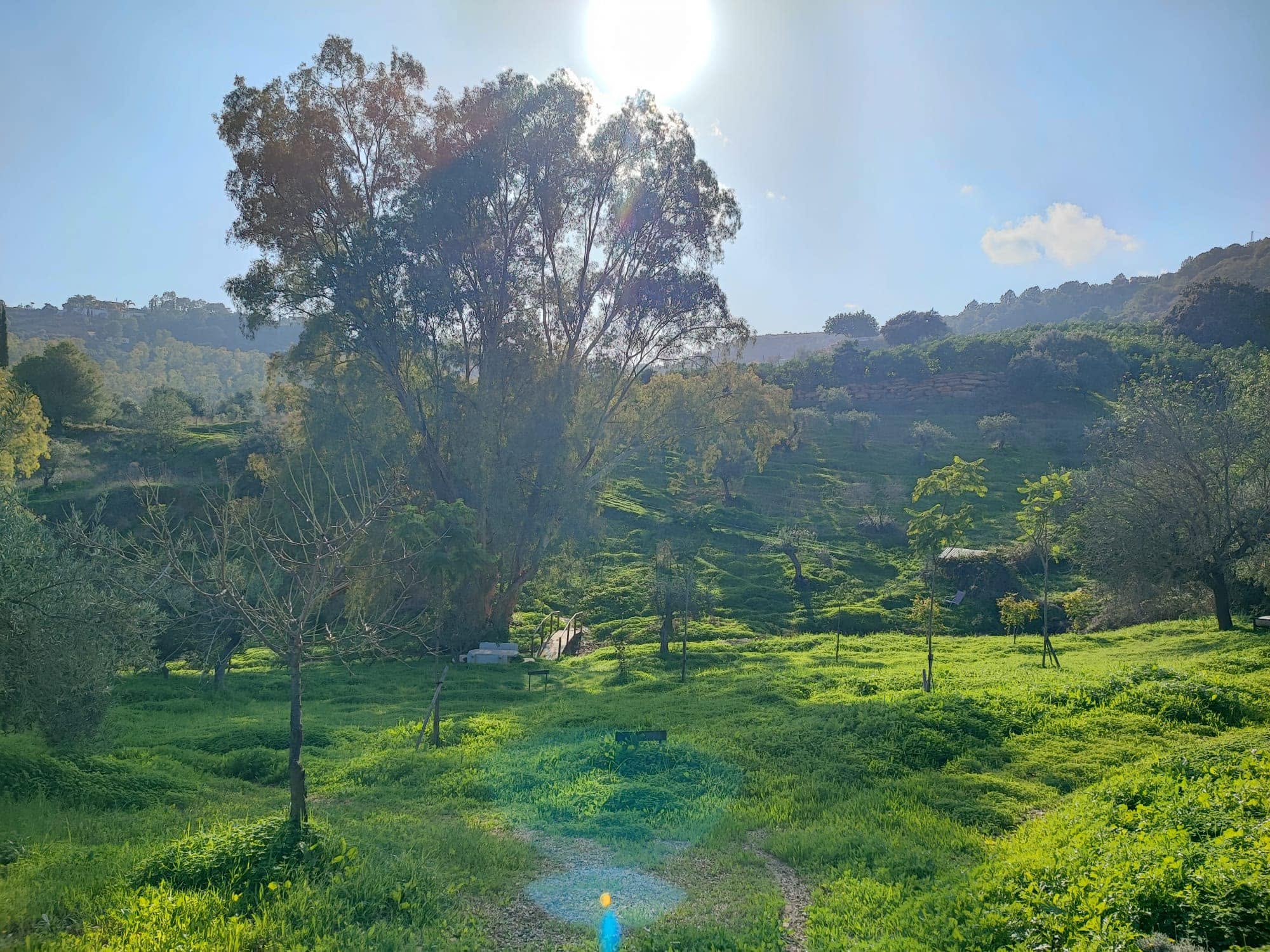
The greenery and tranquility here is different — that’s usually the first thing guests and visitors say, coming back through the gate after a day exploring the white villages, the coast, further inland. They notice the change straight away.
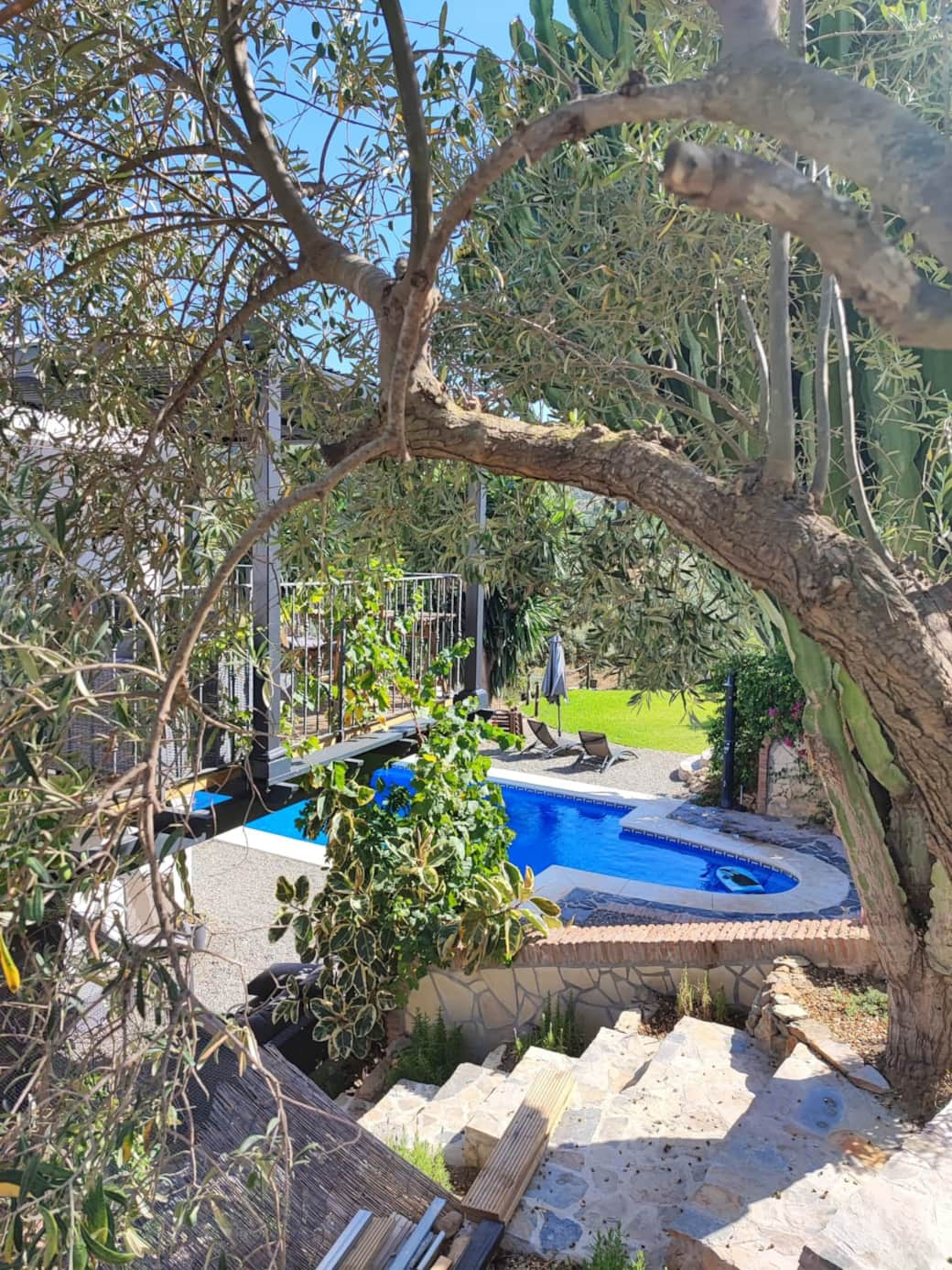
It’s the height of summer and the sun is strong, yet the estate stays alive, interesting and green in many ways — a diverse array of plant life, dappled shade, and carefully placed seating areas chosen for the shade, privacy and expansive views. It’s not that the surrounding landscape isn’t beautiful; it is, in its own sun-baked way, and that’s part of what draws people to Andalucía in the first place. But stepping through the gate at Cortijo Fruitful Hills is a different experience. The heat doesn’t disappear, but the saltwater pool helps, and the hillside breezes make a real difference too — like natural air conditioning. That contrast is something guests keep coming back for.
To be clear, this isn’t a tropical rainforest — there are drier areas here too, as you’d expect in an Andalucían summer. But it’s the mix that makes it special: a wealth of plant life, a real sense of greenery, life and shade, and interesting textures, layers and colour throughout. A feast for the eyes.
Why it’s like this
Part of it comes down to what was already here long before the estate took its current shape. Some of the olive trees are estimated at 50 to 150 years old. The two holm oaks — one at the end of the stables, one by the far steps — are older still, likely 100 to 300 years old. Mature eucalyptus trees add their own scent and shade to the mix, alongside a citrus orchard and a wide range of succulents, from tiny rosettes to giant specimens. Trees like these hold moisture, provide valuable shade, and support birds and insects in a way a young garden simply can’t.
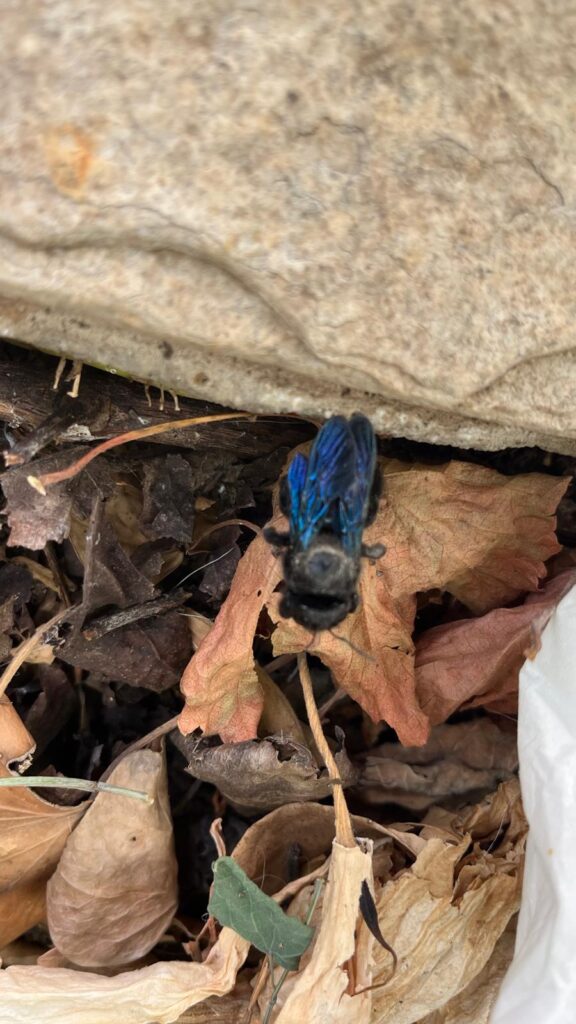
Andrew looks after the land day to day — the trees, the plant life, the lawns, the pool — applying permaculture and agricultural principles as he goes. It was while he was out tending to the property today that he came across the estate’s latest visitor: a large, glossy black bee with wings that flash violet-blue in the sun — a Violet Carpenter Bee, one of Europe’s largest bee species. One more sign of just how much life this estate supports.
The estate also sits close to a large avocado orchard. Avocados need regular watering right through the growing season, and that steady irrigation nearby likely helps keep the local water table healthier than it might otherwise be.
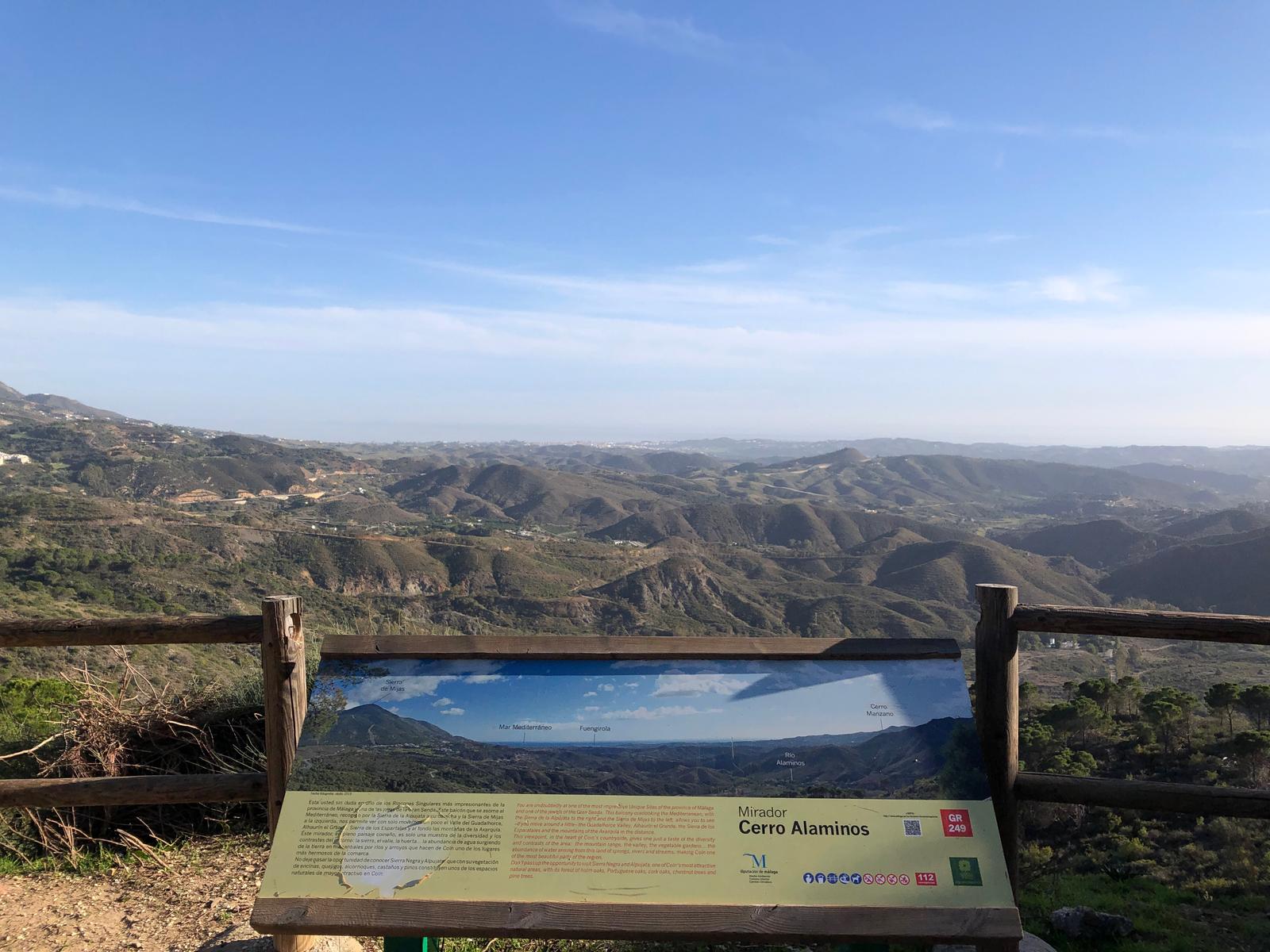
The wider area, Las Lomas, a sought-after location, known for this kind of beauty too — greenery in many places, native Andalucian plants, trees, herbs and shrubs plus mature avocado plantations and nut and olive groves. It all shape the views around here, and it’s a green part of the world in its own right.
What sets Cortijo Fruitful Hills apart is the concentration and diversity of plant life packed into its 13,000m²: far denser and more varied than the surrounding groves. Too many species and varieties to count.
Then there’s the valley itself. Cortijo Fruitful Hills sits within the Guadalhorce Valley, long known as “Málaga’s Garden” for its fertile soil and its tradition of orchards and market gardens. The valley’s abundant water and rich, silt-built soil have made it prime land for irrigation farming for centuries — historically the trinity of wheat, wine, and olives, and now avocados and mangoes too. It’s a fertile part of the world, and the estate is a beneficiary of that.
So when guests say it feels greener here than where they’ve been exploring, they’re right. It comes down to nature, mature trees and plant life, a history of keen gardeners, Andrew’s ongoing care, and a genuinely fertile valley.
Cortijo Fruitful Hills, Coín, Málaga · fruitfulhillsmalaga.com