Skip to content

An informal conversation about the arroyo, wildlife, fire management and a possible future alberca
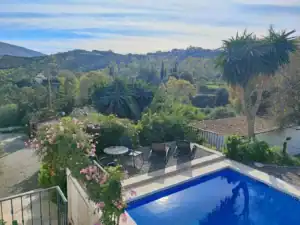
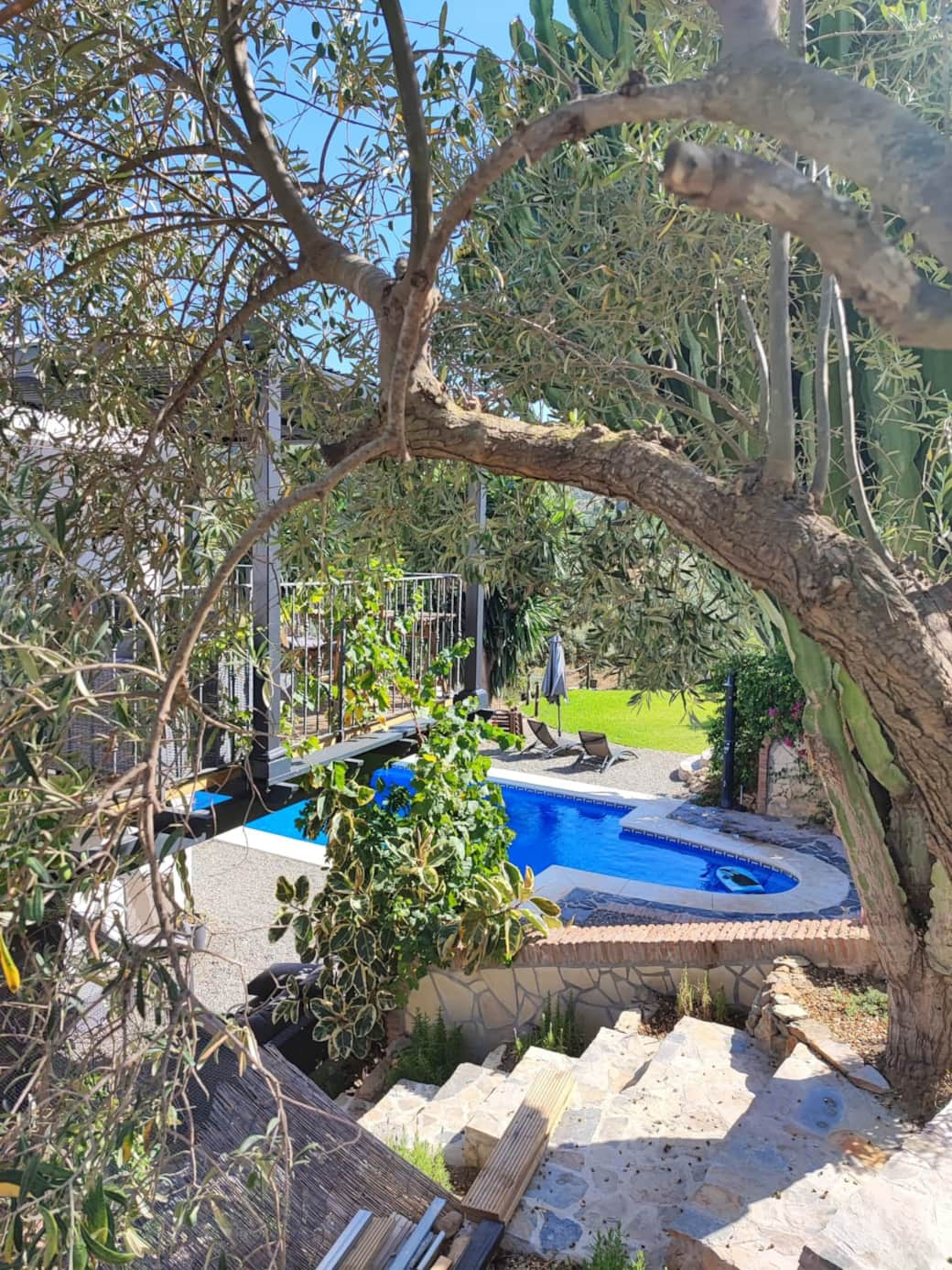
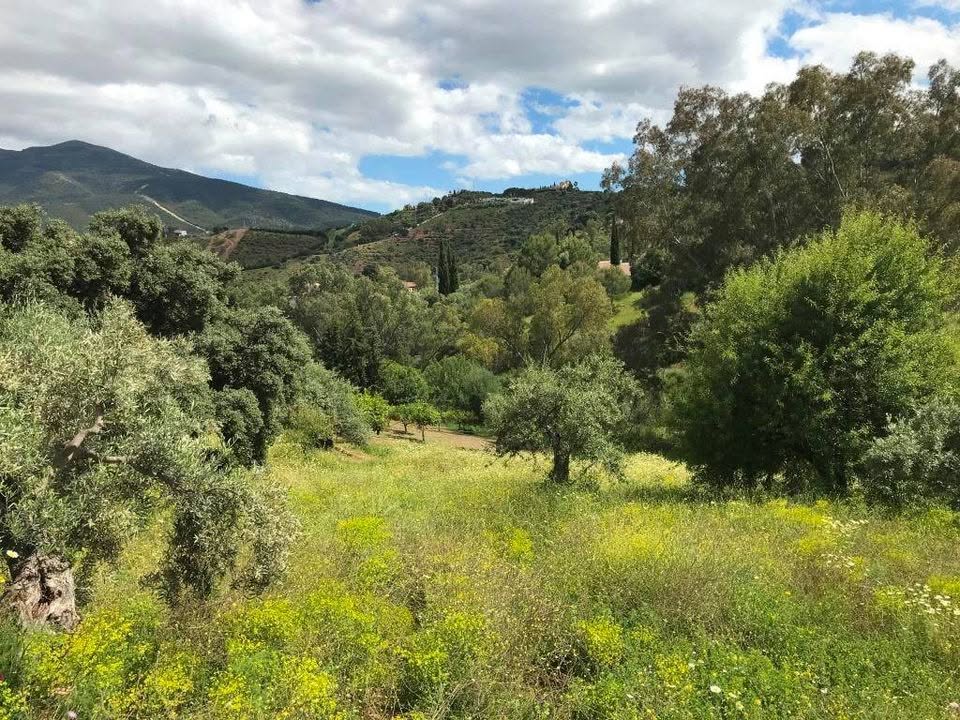
Beyond the cultivated gardens and swimming pool at Cortijo Fruitful Hills lies a very different kind of landscape: old agricultural terraces, dry-stone walls, hand-built stone steps, mature trees, tall grasses, wild flowers and a seasonal arroyo winding through semi-wild ground.
Much of the care that goes into this part of the property is not immediately visible. Decisions about when and how closely to strim, what to leave undisturbed, how to reduce fire risk without destroying habitat, and whether a future wildlife pond would benefit or disrupt the existing ecosystem all require thought.
Recently, Andrew used ChatGPT as a sounding board while describing the land and the wildlife we already see here. The resulting exchange gave us an unusually revealing view of the ecological thought and planning taking place behind the scenes.
It was not a formal ecological survey, but a conversation that helped us look more closely at what is already happening on the land—and how we might continue working with it rather than imposing upon it.
Here is an edited version of that conversation.
The seasonal arroyo
Andrew:
We have a seasonal arroyo running through the property. It is dry for much of the year, but after the winter rains the ground becomes lush and the grass grows tall.
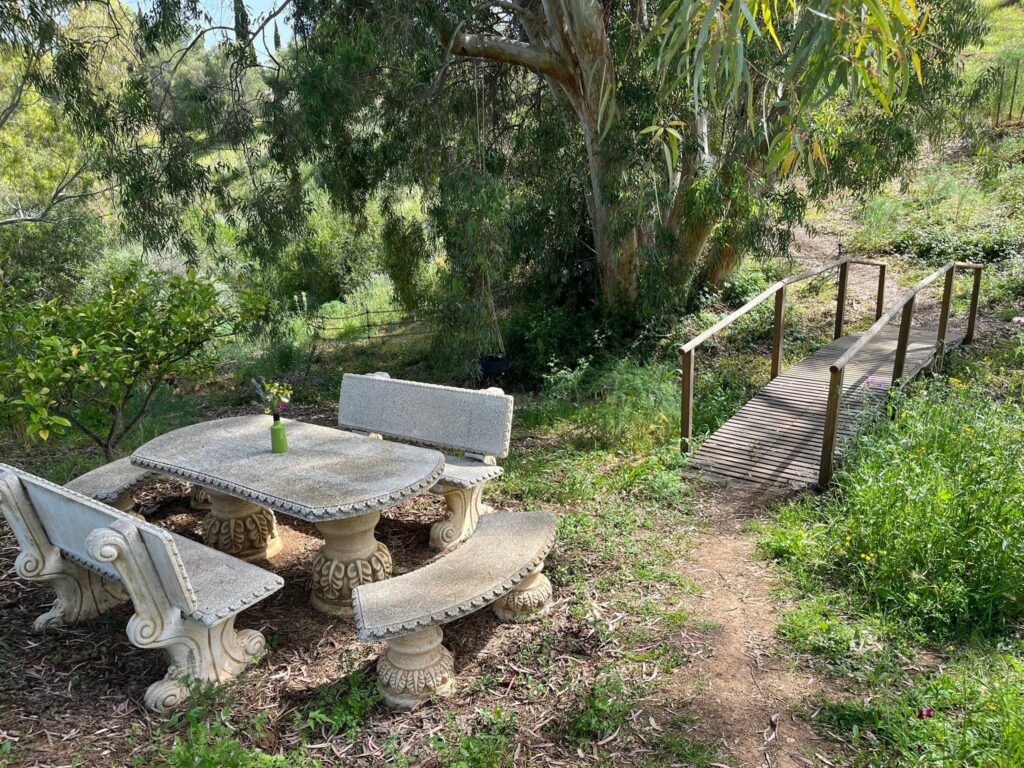
We manage the grass later in the summer, although we deliberately avoid cutting everything extremely short. There are pomegranate trees, old terraces, wide walking paths, stone steps, a rustic wooden bridge and a huge eucalyptus tree.
ChatGPT:
From what you describe, you are already doing something closer to Mediterranean parkland management than simply maintaining a garden.
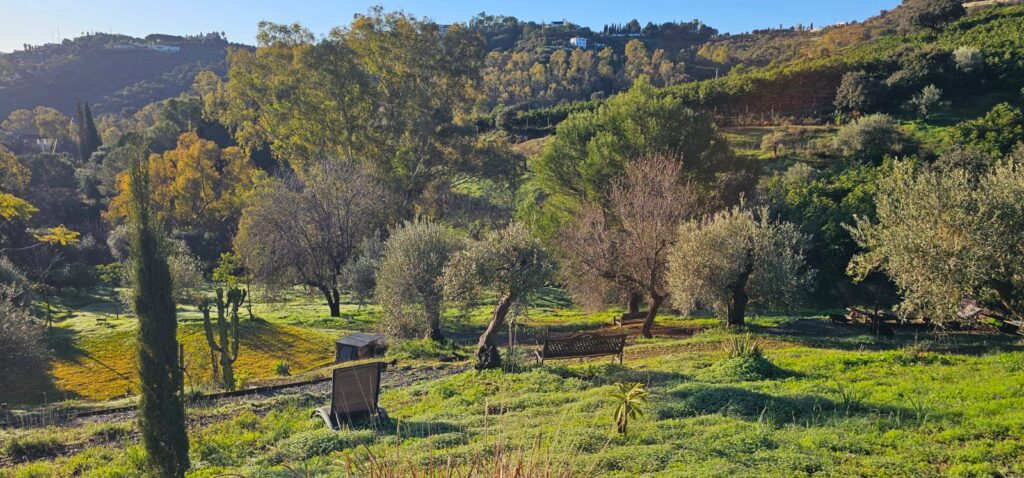
The seasonal arroyo acts as a natural wildlife corridor. It creates a route through the property for birds, insects and other animals, particularly after rain.
The taller grass retains habitat, while managing it later in the summer helps reduce fire risk. The old terraces, trees, paths and bridge make the area accessible without turning it into a heavily cultivated landscape.
The fact that you do not strim everything too short matters. Leaving some height:
- protects insects and ground-dwelling creatures,
- allows plants to complete their seed cycles,
- helps reduce erosion after heavy rain,
- and keeps the landscape looking natural.
Your cleared paths also serve a second purpose. As well as allowing guests to walk through the land, they give you access for monitoring and can act as informal breaks between areas of vegetation.
Andrew’s handmade ARCH Bridge
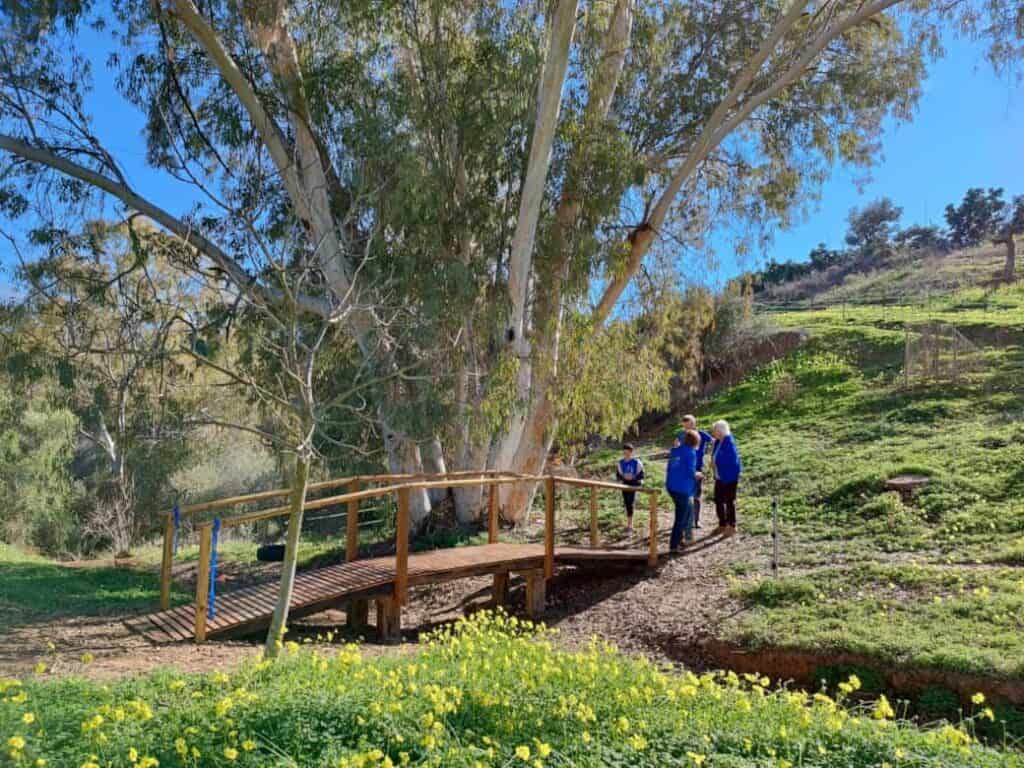
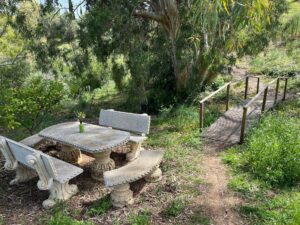
Guests can cross the arroyo using a rustic wooden bridge designed and built by Andrew.
We named it ARCH Bridge, both because of its attractive curved shape and in recognition of our support for ARCH Horse Rescue, based just down the road from Cortijo Fruitful Hills. The bridge was officially named during a small ceremony with ARCH founder Gill.
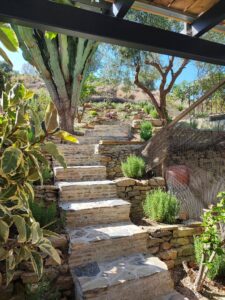
Stone steps and broad walking trails lead through the surrounding land, turning what might otherwise have remained a closed patch of scrub into somewhere guests can genuinely explore.
Close to the bridge, beneath the canopy of the enormous eucalyptus, stands a stone picnic table with benches. There is also a tree swing and a trampoline for guests to enjoy.
From time to time, the sound of bells from a neighbouring herd of dairy goats drifts across the valley—a small detail, but one that firmly places the landscape in rural Andalucía.
The landmark eucalyptus
ChatGPT:
The eucalyptus is clearly a major landscape feature and probably one of the first trees visitors notice.
A mature eucalyptus can be magnificent, but in Mediterranean conditions it also requires thoughtful management. It competes strongly for water, produces substantial dry leaf litter, and its oils and fallen material can contribute to fire intensity.
I would not remove such a landmark tree without a very good reason. Instead, I would:
- keep the area around its base relatively clear,
- remove excessive accumulations of dry leaves,
- and avoid allowing dense, dry shrubs to build up underneath it.
Andrew:
Further down the arroyo there are several more mature eucalyptus trees. They may be descendants of the enormous central tree.
Together, they give that part of the property the feeling of a small woodland and provide welcome shade over some of the walking trails.
The old terraces and stone walls
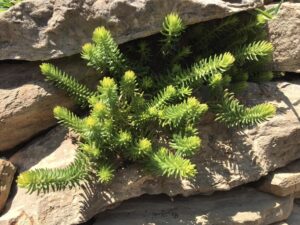
The old agricultural terraces, dry-stone walls and stone steps shaping the land are more than attractive features.
They provide:
- shelter and cover for small animals,
- warm basking places for reptiles,
- potential nesting spaces,
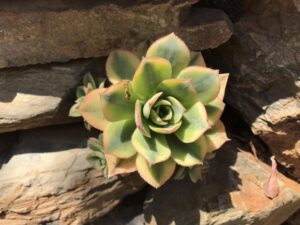
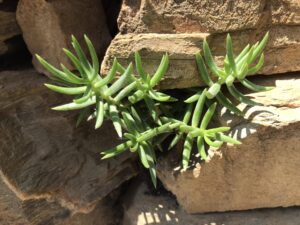
- growing places for Andalusian herbs and succulents,
- and hunting or observation points for birds.
That is one reason we are careful about not making every part of the property look too polished.
A stone wall with a few natural gaps may support more life than one that has been completely sealed with concrete. A fallen branch, an uneven patch of grass or a small area of native scrub may appear untidy to human eyes while performing valuable ecological work.
The wildlife already here
Andrew:
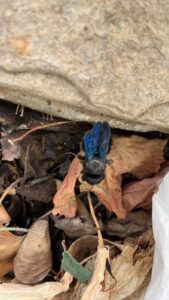
We already see hoopoes, dragonflies and violet carpenter bees.
ChatGPT:
Those are all encouraging signs.
Hoopoes, dragonflies and violet carpenter bees suggest that the land contains a mixture of habitat types rather than functioning as a sterile, intensively managed space.
Andrew:
We also have a very large toad, field mice and birds of prey. We sometimes see signs that wild boar have passed through the land.
ChatGPT:
Taken together, those observations suggest that different parts of a functioning food web are already present.
Field mice are often treated simply as pests, but native mice are an important food source for owls, kestrels, other birds of prey, snakes, foxes and potentially genets.
The presence of both field mice and birds of prey indicates that a natural predator-and-prey relationship is already operating.
The old terraces and stone walls can support that relationship by providing cover for smaller creatures, basking areas for reptiles and hunting perches for birds.
This is also a reason to be cautious about introducing animals artificially. For example, releasing rabbits might sound like a way of encouraging wildlife, but it could produce an unnatural population increase and disrupt the balance already developing.
Allowing wildlife to arrive naturally is very different from importing it.
A little wildness, by design
Some of our land-management choices are deliberate, even when they are not immediately obvious.
We do not cut all the wild grass and flowers extremely short. Leaving some height protects insects and other small creatures, allows seeds to mature and helps hold the soil during heavy rain.
The taller vegetation is still managed later in the dry season to reduce fire risk.
The paths also perform more than one role. They are pleasant for guests to walk, but they also make it easier to monitor the land and create separation between areas of vegetation.
The aim is not to abandon the land or allow it to become dangerously overgrown. It is to find a balance between access, fire safety and habitat.
As the conversation developed, one idea returned repeatedly: from a wildlife perspective, the most valuable landscapes are often slightly messy.
A fallen branch here, a patch of taller grass there, an old stone wall with gaps, and native shrubs mixed with open ground may collectively support far more life than a landscape in which every surface has been cleared, trimmed and sealed.
Could we create a wildlife alberca?
One future idea we have been considering is a small wildlife pond or traditional-style alberca near the arroyo.
This is still very much at the exploration stage rather than a confirmed building project.
The idea would not be to create another swimming pool. It would be a natural-looking charca, perhaps with a deeper central area, shallower shelves around the edges, native plants, stones and an informal margin.
Andrew’s first concern was practical.
Andrew:
Would creating a small lake or pond give us more mosquitoes?
ChatGPT:
There would be some mosquito risk, but it would not be inevitable.
Mosquito problems are most likely to develop in warm, stagnant, shallow water without predators. Small containers, neglected tanks and isolated puddles can sometimes create more problems than a carefully designed wildlife pond.
A balanced pond can support dragonfly larvae, amphibians and other aquatic predators that feed on mosquito larvae.
Because you already have dragonflies and at least one large toad, some of the creatures that could use the pond are already present on the property.
The design would matter. I would include:
- varied water depths rather than a uniformly shallow pool,
- a gentle edge so amphibians can enter and leave,
- stones or logs for shelter,
- some shade to prevent severe summer overheating,
- native planting,
- and no steep-sided walls that could trap animals.
I would also position it away from guest bedrooms and outdoor dining areas, avoid dense mats of reeds beside seating spaces, and make sure there were no forgotten containers or troughs holding stagnant water nearby.
Andrew:
So the pond would need to become part of the ecosystem rather than simply being a hole filled with water.
ChatGPT:
Exactly.
Its success would depend less on making it look formal and more on allowing a functioning community of insects, amphibians, plants and visiting birds to establish around it.
Working with what is already here
What we appreciated most about this conversation was that it did not declare the land at Fruitful Hills ecologically perfect.
Instead, it encouraged us to observe more carefully.
It reminded us that field mice support birds of prey, that an imperfect stone wall may shelter more life than a sealed one, and that a slightly untidy area of grass can be valuable habitat.
It also reinforced the importance of restraint. Not every possible addition is necessarily a beneficial one. Even an attractive idea such as a wildlife pond needs to be considered in relation to mosquitoes, amphibians, fire management, water availability and the comfort of guests staying nearby.
The land is still evolving, and so is our understanding of it.
An invitation to look closer
For guests, this creates a landscape worth slowing down for.
You can follow the trails beside the seasonal arroyo, cross Andrew’s handmade ARCH Bridge, climb the handmade stone steps, explore the terraces or rest beneath the enormous eucalyptus.
At golden hour, the light changes across the hills and old agricultural ground. Sit quietly for long enough and you may notice a hoopoe passing through, dragonflies moving above damp ground or a bird of prey circling overhead.
This is not a formal botanical garden. It is a living rural landscape with old structures, wild corners, cultivated areas and a rhythm of its own.
And we love sharing it with the people who come to stay.
Whether you are looking for a short holiday, a winter retreat, a sabbatical or a longer base from which to explore Andalucía, Cortijo Fruitful Hills offers comfortable, individual accommodation surrounded by a landscape with a life of its own.